Using service design to improve mental health services through the eyes of healthcare specialists
A three-month advisory engagement with Helse Sør-Øst's internal audit at Akershus University Hospital — combining data analysis, clinician interviews, and co-creative workshops into a roadmap the clinics helped write.
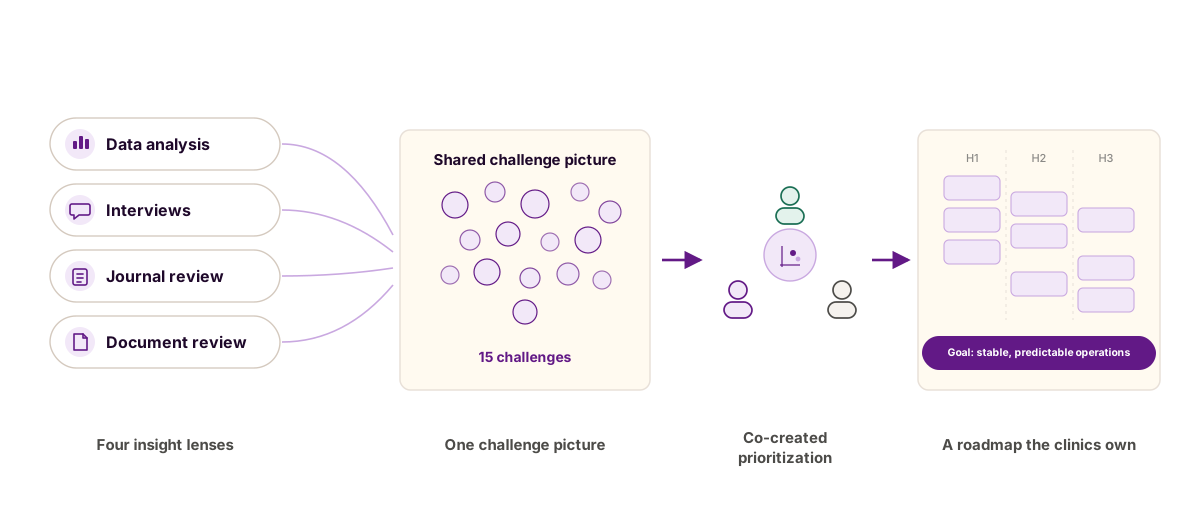
Adult outpatient mental health clinics at Akershus University Hospital were under serious strain: referrals growing far faster than clinical capacity, worn-down specialists, and patient pathways nobody had full overview of. As part of a three-person team from Helse Sør-Øst's internal audit, I was responsible for the insight phase and for facilitating the co-creative workshops — using service design inside an audit framework to turn a difficult situation into a shared challenge picture and a prioritized roadmap for improvement.
Three clinics, rising demand, and no shared picture of why it hurt
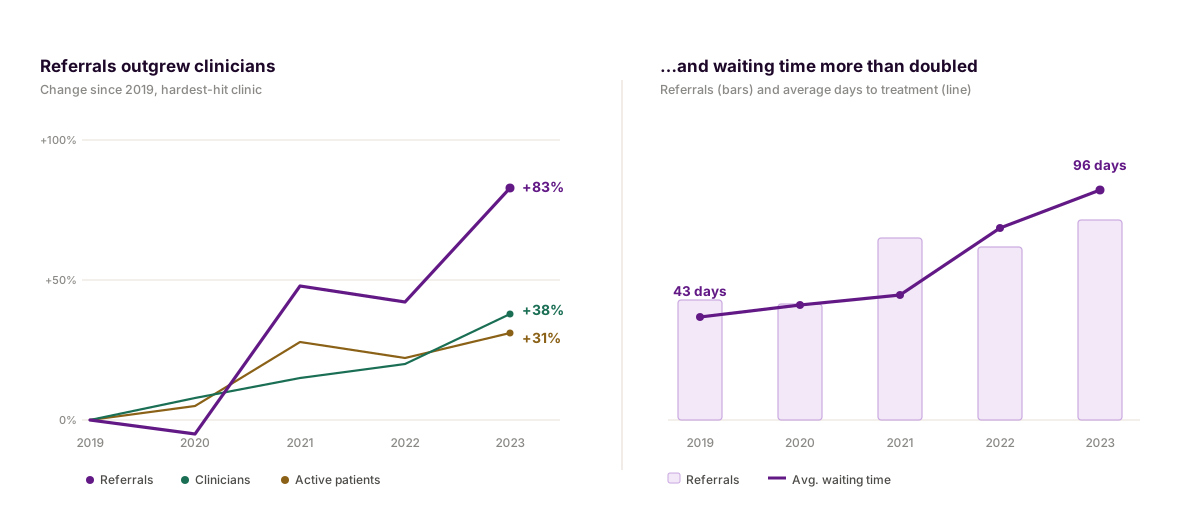
The general outpatient clinics at DPS Grorud, DPS Nedre Romerike, and DPS Follo treat adults with mental health conditions — and they were struggling. Clinicians were wearing down, expensive specialists were being hired in to cope, and the division itself pointed to compounding problems: more referrals, long pathways, and suspected unwanted variation in how often and how long patients were seen.
The division knew it was struggling. What it lacked was a shared, evidence-based picture of why — and agreement on what to fix first. Because the problems were already acknowledged, the planned audit was reshaped into an advisory engagement: less about control, more about understanding and improvement.
What we set out to do
Four lenses on the same system
I was responsible for the insight phase, designing it around a simple principle: no single source would be trusted on its own. We combined service design with Prosjektveiviseren, the Norwegian public-sector project framework, and examined the clinics through four lenses:
Each lens corrected the others. The numbers alone said “capacity problem.” The specialists said “planning and tooling problem.” The journals said “overview problem.” The truth needed all three.
Five places where the system worked against the people in it
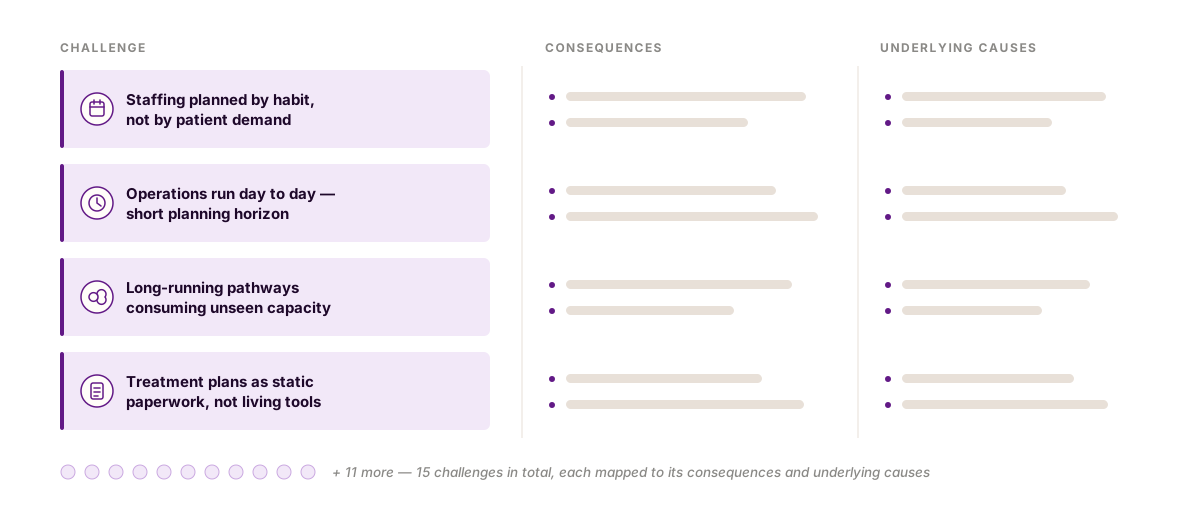
Underneath it all ran one human thread: specialists who wanted to give good care, squeezed between targets they couldn't influence, tooling that made routine work heavy, and lists that never got shorter. We synthesized the full picture into 15 distinct challenges.
Prioritized by the people who live with the problem
My second responsibility was facilitation. Rather than ranking the challenges ourselves, I designed and facilitated a workshop where leaders, clinicians, and office managers did it — together. Every challenge was discussed and corrected with their input first, so the picture they prioritized was one they recognized as their own.
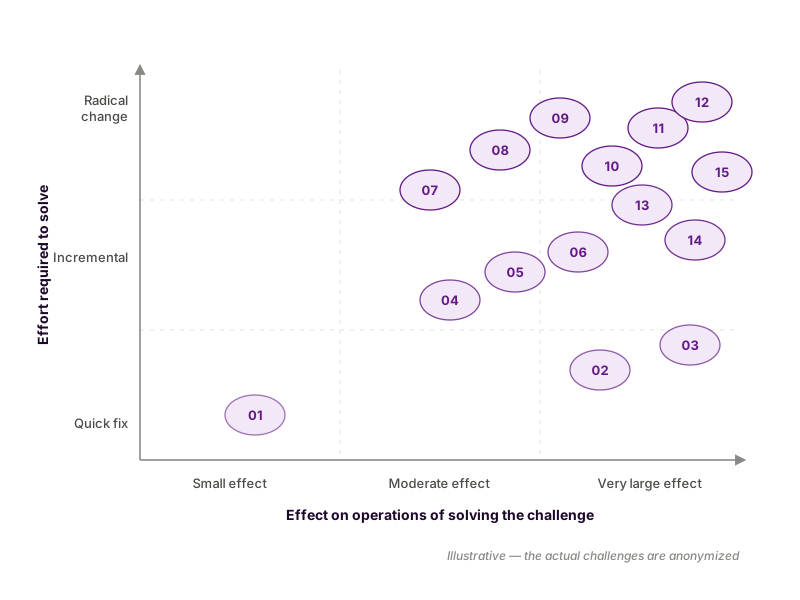
We then placed each challenge in a prioritization matrix — the operational effect of solving it against the effort required, from quick fix to radical change — and worked in groups to shape solutions. The result was a roadmap across three half-years, moving the clinics toward one goal: stable and predictable operations.
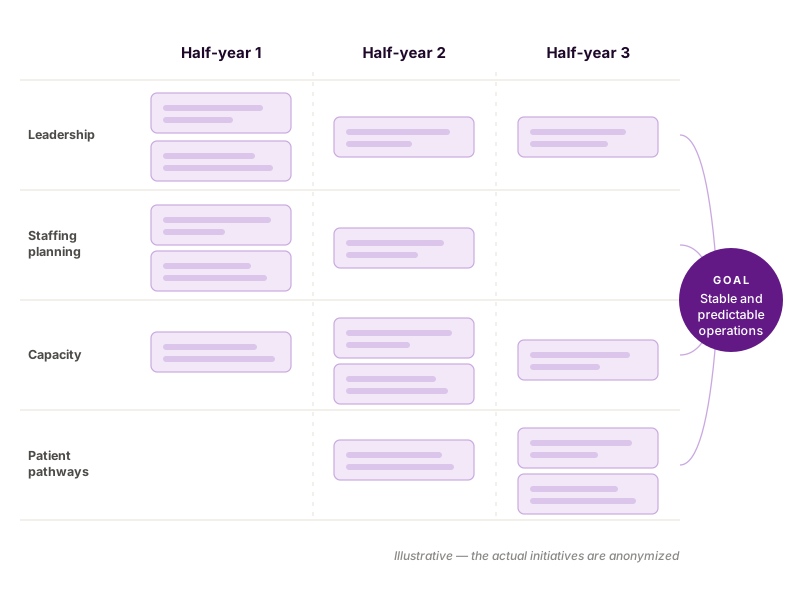
A challenge picture the organization recognized — and a plan it helped write
The engagement was delivered as Report 6/2023 to the hospital's CEO, the division director, and the CEO of Helse Sør-Øst, and published openly on the regional health authority's website. The report was well received by leadership — and because employees from every level had shaped it, the work created engagement that a traditional audit rarely does.